
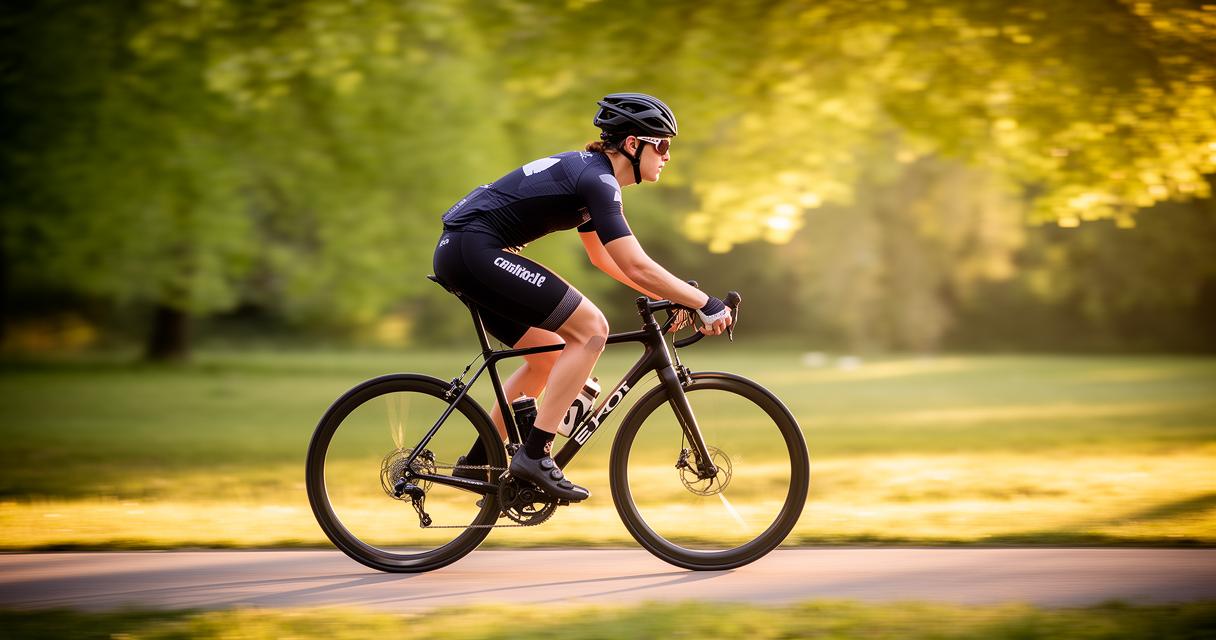
For those seeking a practical and enjoyable approach to shedding unwanted weight around the midsection, cycling presents a compelling solution. Whether you prefer the freedom of outdoor rides or the controlled environment of a stationary bike, this accessible form of exercise offers a proven pathway to burning calories, improving cardiovascular health, and ultimately trimming your waistline. The journey to a leaner physique involves understanding how your body responds to sustained physical activity and the crucial role of energy balance in achieving lasting results.
Understanding how cycling targets belly fat and promotes weight loss
Cycling stands out as an effective method for reducing belly fat, primarily because it engages multiple muscle groups and elevates your heart rate over extended periods. The key to losing fat in any part of the body, including the abdomen, lies in creating a calorie deficit, where you expend more energy than you consume. Regular cycling sessions, when combined with mindful eating, help establish this deficit naturally. Research indicates that consistent cycling can reduce both subcutaneous fat, which sits just beneath the skin, and visceral fat, the more dangerous type that surrounds internal organs. This dual action makes cycling particularly valuable for those concerned about health risks associated with excess abdominal fat.
The science behind calorie burning during cycling workouts
When you pedal a bicycle, your body demands energy to power the rhythmic contraction of muscles, maintain balance, and sustain the effort over time. This energy requirement translates into calories burnt, with the exact number depending on factors such as your weight, the intensity of the ride, and its duration. Long moderate rides lasting between forty-five and ninety minutes are especially effective at maximising fat burning, as they encourage your body to tap into stored fat reserves for fuel. During these sessions, your metabolism remains elevated, and your cardiovascular system works efficiently to deliver oxygen to working muscles. High-Intensity Interval Training, or HIIT, offers another powerful approach by alternating short bursts of maximum effort with recovery periods. These intervals spike your heart rate and create an afterburn effect, meaning your body continues to burn calories even after you finish riding. Including one or two HIIT sessions weekly alongside longer steady-state rides can significantly enhance your overall caloric expenditure and accelerate fat loss.
Why belly fat responds well to regular cycling exercise
Belly fat tends to respond favourably to cycling because this activity promotes a sustained increase in metabolic rate and improves body composition over time. Unlike targeted exercises that focus solely on abdominal muscles, cycling engages large muscle groups such as the quadriceps and hamstrings, which demand substantial energy and contribute to overall fat reduction. It is important to recognise that targeted fat loss from specific areas remains largely a myth; instead, the body loses fat systematically across various regions as you maintain a consistent calorie deficit. Cycling regularly, ideally three to five times a week, encourages your body to prioritise fat as a fuel source, especially when rides are performed at moderate intensity. Additionally, cycling helps regulate hormones that influence fat storage, such as cortisol. Managing stress through enjoyable physical activity and ensuring adequate sleep quality, typically seven to nine hours per night, supports these hormonal balances and enhances your ability to shed abdominal fat. The combination of increased physical activity, improved heart health, and better stress management creates an environment where belly fat gradually diminishes.
Stationary versus outdoor cycling: which burns more calories?
Choosing between stationary and outdoor cycling often comes down to personal preference, lifestyle, and specific fitness goals. Both forms offer distinct advantages and can effectively contribute to calorie burning and fat loss. Understanding the unique benefits of each can help you structure a training regime that fits seamlessly into your daily routine while maximising results.
Benefits of Indoor Cycling on Stationary Bikes for Convenience and Consistency
Indoor cycling provides a level of convenience that is hard to match, particularly for those with busy schedules or limited access to safe outdoor routes. Stationary bikes allow you to exercise at any time of day, regardless of weather conditions, and eliminate concerns about traffic or uneven terrain. This consistency is crucial for maintaining a regular training frequency, which is one of the most important factors in achieving sustainable weight loss. Indoor cycling platforms, such as ROUVY, offer structured workouts and virtual environments that keep you motivated and engaged. These platforms often include performance tracking features, enabling you to monitor your progress, measure calories burnt, and adjust your training structure to meet your fitness goals. Moreover, stationary bikes allow for precise control over intensity, making it easier to incorporate HIIT sessions or maintain a steady effort for extended periods. For individuals recovering from injury or those new to exercise, the stable and predictable nature of indoor cycling reduces the risk of accidents and provides a safe space to build endurance and confidence.
Advantages of Outdoor Cycling for Varied Intensity and Natural Terrain
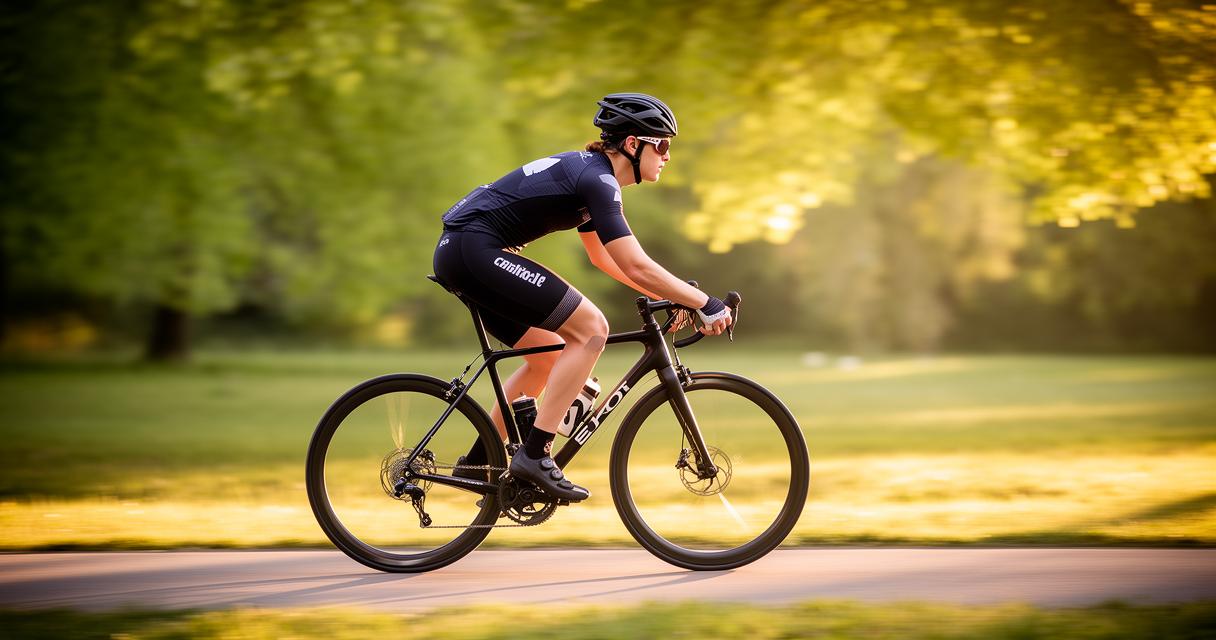
Outdoor cycling introduces an element of variability that can enhance both the enjoyment and effectiveness of your workouts. Natural terrain, with its hills, descents, and changing surfaces, challenges your body in ways that a stationary bike cannot replicate. Climbing inclines demands greater effort from your muscles, particularly the quadriceps and glutes, and significantly increases caloric expenditure. The constantly shifting environment also requires adjustments in balance and coordination, engaging stabilising muscles and improving overall body composition. Beyond the physical benefits, outdoor cycling offers mental health advantages, as exposure to fresh air, sunlight, and natural scenery can reduce stress and improve mood. These psychological benefits support long-term adherence to your training regime, which is essential for consistency and sustained fat loss. Additionally, the freedom to explore new routes and vary your rides prevents monotony, keeping your motivation high. While outdoor cycling may be more dependent on weather and safety considerations, its ability to deliver varied intensity and a connection to nature makes it a valuable complement to indoor sessions.
Maximising fat loss through proper cycling technique and nutrition
Achieving significant fat loss through cycling requires more than simply logging miles; it demands attention to technique, training structure, and nutritional habits. By optimising these elements, you can enhance your metabolism, preserve muscle mass, and create the conditions necessary for your body to shed excess fat efficiently.
Building Muscle Endurance in Quadriceps and Hamstrings to Boost Metabolism
Developing muscle endurance in the major muscle groups used during cycling, such as the quadriceps and hamstrings, plays a vital role in boosting your resting metabolic rate. When you build and maintain muscle mass, your body requires more energy at rest, meaning you burn more calories throughout the day even when not exercising. Incorporating strength training alongside your cycling routine can further support this goal, as resistance exercises stimulate muscle growth and improve overall power output on the bike. A well-rounded training programme might include three to four endurance rides per week, each lasting between forty-five and ninety minutes, along with one or two HIIT sessions to challenge your cardiovascular system and maximise fat burning. Rest days are equally important, as they allow your muscles to recover and adapt, preventing overtraining and reducing the risk of injury. Proper recovery also involves paying attention to sleep quality and stress management, as elevated cortisol levels from chronic stress can hinder fat loss and negatively impact performance. By balancing intense efforts with adequate rest, you create an environment where your body can build endurance, increase muscle mass, and sustain a higher metabolic rate over time.
Combining Balanced Nutrition with Your Cycling Training Regime for Optimal Results
Nutrition is the cornerstone of any successful fat loss strategy, and cycling is no exception. To lose belly fat effectively, you must maintain a calorie deficit, typically around three hundred to five hundred calories below your daily energy expenditure. However, it is essential that this deficit is achieved through a balanced diet rich in nutrient-dense foods rather than by severely restricting intake, which can lead to muscle loss and metabolic slowdown. Focus on consuming plenty of vegetables, lean protein sources, and healthy fats, while minimising empty calories from processed foods and sugary snacks. Protein intake is particularly important for preserving muscle mass during weight loss; a guideline of approximately two grams per kilogram of body weight helps support recovery and muscle repair after cycling sessions. Carbohydrates should not be neglected, as they provide the fuel necessary for high-intensity efforts and endurance rides. Choosing complex carbohydrates such as whole grains, oats, and sweet potatoes ensures sustained energy levels without causing rapid spikes in blood sugar. Healthy fats from sources like avocados, nuts, and olive oil support hormone production and overall health. Hydration also plays a critical role, as adequate fluid intake aids in digestion, recovery, and performance. Some cyclists experiment with fasted rides, where they train before eating, to encourage the body to burn fat more readily. However, this approach should be undertaken cautiously and only after building a solid fitness base, as exercising without fuel can lead to fatigue and reduced performance. By aligning your nutrition with your training structure, you create a synergistic effect that accelerates fat loss, improves body composition, and supports long-term health benefits.