
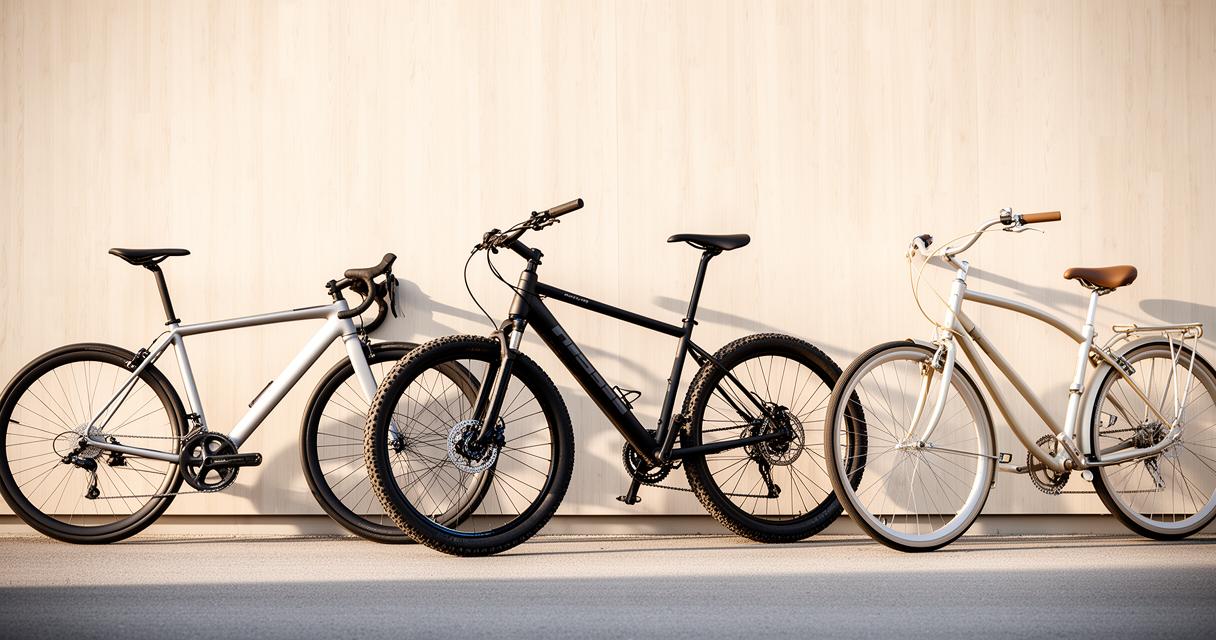
The world of cycling has evolved considerably over recent decades, offering an impressive array of machines tailored to diverse terrains, riding styles, and individual preferences. Whether navigating the rugged unpredictability of mountain trails or seeking efficient urban mobility, modern cyclists benefit from an extensive choice designed to meet varied demands. Understanding these categories helps riders select the right bicycle for their specific needs whilst appreciating the subtle yet significant differences in design philosophy and performance characteristics. Among these options, recumbent bikes stand out for their exceptional ergonomic design, low-impact exercise advantages, and unique approach to comfort without sacrificing cardiovascular effectiveness, making them a compelling choice for those prioritising wellness alongside performance.
Understanding the Diverse Landscape of Modern Cycling: From Mountain Trails to Urban Streets
Off-Road Champions: Mountain Bikes, Enduro, and Cross-Country Variants for Adventurous Riders
Mountain bikes have long been synonymous with adventure, freedom, and the thrill of tackling nature's most challenging obstacles. Designed explicitly for rough trails, these machines incorporate shock-absorbing suspension systems that soften impacts from rocks, roots, and uneven ground, allowing riders to maintain control and confidence even when conditions become demanding. The robust frames and wide, grippy tyres of mountain bikes ensure stability across loose dirt, gravel, and steep descents, transforming potentially treacherous terrain into exhilarating pathways. Within this category, enduro and cross-country variants cater to more specialised pursuits. Enduro models are engineered for downhill intensity, featuring enhanced suspension travel and reinforced components to withstand aggressive descents, whilst cross-country bikes emphasise lighter construction and efficiency for covering longer distances across varied landscapes. These off-road champions reflect a commitment to durability and adaptability, embodying the spirit of exploration that drives many cyclists beyond paved surfaces into the heart of wilderness and adventure.
Urban and Commuter Solutions: Folding Bikes, Cargo Bikes, and E-Bikes for Practical Daily Use
As cities grow denser and the need for sustainable transport intensifies, urban and commuter-focused bicycles have risen in prominence, offering practical solutions tailored to the rhythms of daily life. Folding bikes epitomise convenience, collapsing into compact forms suitable for easy storage in offices, flats, and public transport compartments, making them ideal for commuters who navigate multi-modal journeys. Cargo bikes, meanwhile, boast increased carrying capacity, enabling riders to transport groceries, children, or business goods without resorting to motor vehicles, thereby reducing carbon footprints whilst enhancing urban livability. E-bikes have revolutionised commuting further by integrating electric assistance, which reduces physical strain and extends range, making longer journeys or hilly routes accessible to a broader demographic. These innovations reflect a shift towards integrating cycling into everyday routines, prioritising accessibility, practicality, and environmental responsibility. Such versatility underscores how modern bicycles serve not merely as recreational tools but as integral components of sustainable urban infrastructure, catering to diverse lifestyles and practical needs.
Speed and Versatility: Exploring Road Bikes, Hybrid Bikes, and Gravel Bikes for Every Terrain
Performance-focused designs: how road bikes maximise speed on paved surfaces
Road bikes represent the pinnacle of speed-focused engineering, meticulously crafted to maximise velocity and efficiency across smooth, paved surfaces. Their lightweight frames, often constructed from advanced materials such as carbon fibre or aluminium, minimise unnecessary mass, enabling riders to accelerate swiftly and maintain high speeds over extended distances. Thin tyres reduce rolling resistance, ensuring that energy expended translates directly into forward momentum, whilst aerodynamic geometries slice through air resistance, further enhancing performance. This category appeals particularly to competitive cyclists, endurance enthusiasts, and those who derive satisfaction from pushing physical limits on open roads. The emphasis on speed, however, comes with trade-offs in comfort and versatility, as road bikes prioritise performance over adaptability to rougher terrain. Nevertheless, for riders committed to paved routes and seeking to achieve personal bests or participate in organised events, road bikes remain unmatched in their capacity to deliver thrilling, efficient, and fast-paced cycling experiences that highlight the pure joy of speed.
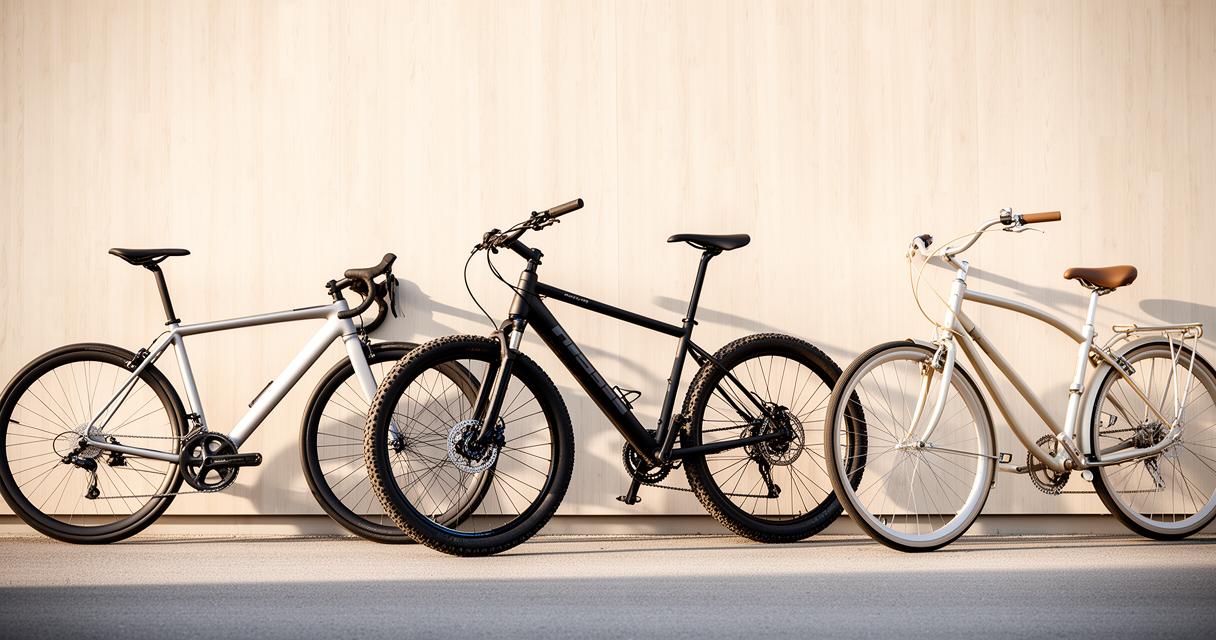
Adaptable All-Rounders: The Versatility of Hybrid and Gravel Bikes for Mixed Riding Conditions
Hybrid bikes bridge the gap between specialised road and mountain models, offering adaptable solutions for cyclists who desire versatility without compromise. These all-rounders combine features from both worlds, featuring moderately wide tyres that handle varied surfaces comfortably, upright riding positions that enhance visibility and reduce strain, and robust frames capable of withstanding occasional off-road excursions. Hybrid bikes excel in mixed riding conditions, making them perfect for commuters who traverse both urban streets and park paths, or recreational riders exploring diverse landscapes. Gravel bikes extend this versatility further, specifically engineered to tackle unpaved roads, forest trails, and rugged paths with specialty tyres that grip loose surfaces and durable frames designed to absorb shocks without sacrificing speed. The adaptability inherent in hybrid and gravel bikes reflects a growing recognition that modern cycling demands flexibility, accommodating spontaneous detours and varied environments. These models empower riders to explore beyond conventional boundaries, fostering a sense of adventure and freedom that enriches the cycling experience whilst maintaining practical functionality for everyday use.
Recumbent bikes: the ergonomic revolution in comfort-focused cycling performance
Unmatched Comfort and Reduced Strain: The Ergonomic Advantages of Recumbent Bike Design
Recumbent bikes represent a radical departure from traditional upright designs, prioritising ergonomic comfort and accessibility through their distinctive reclined seating position. This innovative configuration distributes bodyweight across a larger surface area, significantly reducing pressure on the wrists, neck, and lower back, which are common pain points for upright cyclists. The supportive backrest inherent to recumbent models encourages proper spinal alignment, mitigating discomfort during extended sessions and making these bikes particularly suitable for individuals with joint issues or chronic pain. The low-impact nature of recumbent cycling minimises stress on knees and hips, enabling users to engage in effective cardio workouts without exacerbating existing injuries or limitations. This emphasis on comfort does not merely serve those with physical concerns; it also appeals to riders seeking leisurely, enjoyable experiences free from the discomfort that can accompany prolonged upright riding. The stability offered by recumbent bikes further enhances accessibility, as the lower centre of gravity reduces balance requirements, empowering older adults, rehabilitation patients, and beginners to participate confidently. Recumbent bikes thus embody a philosophy that exercise should be sustainable, pleasant, and inclusive, revolutionising perceptions of cycling as an activity reserved solely for the athletic or pain-tolerant.
Performance Benefits: How Recumbent Bikes Deliver Efficiency and Speed with Superior Comfort
Whilst comfort remains a hallmark of recumbent bikes, these machines also deliver notable performance benefits that challenge assumptions about trade-offs between ergonomics and efficiency. The reclined position optimises aerodynamics by reducing frontal surface area, thereby decreasing wind resistance and enabling riders to maintain higher speeds with less effort compared to upright bikes at equivalent power outputs. This aerodynamic advantage becomes particularly pronounced during longer rides, where cumulative energy savings translate into enhanced endurance and reduced fatigue. Recumbent bikes primarily engage lower body muscles, including the quadriceps, hamstrings, and glutes, facilitating focused cardiovascular conditioning and strength development in these critical muscle groups. Although upright bikes allow for complete body workouts by incorporating core and upper body engagement, recumbent models compensate with targeted efficiency that suits specific training goals and rehabilitation programmes. Calorie burn comparisons reveal that one hour on a recumbent bike burns approximately 320 calories, whilst upright bikes achieve around 400 calories during low-intensity sessions, illustrating that whilst upright models offer slightly higher expenditure, recumbent bikes provide respectable cardiovascular benefits alongside superior comfort. This balance makes recumbent bikes ideal for sustained, regular exercise routines, encouraging consistency and adherence through positive user experiences. Additionally, the availability of customisation options and personalisation features allows users to tailor recumbent bikes to individual preferences, further enhancing their appeal. Comprehensive product ranges, including exercise bikes, treadmills, strength machines, free weights, boxing equipment, and yoga accessories, cater to diverse fitness needs, ensuring that recumbent bikes integrate seamlessly into broader wellness strategies. For those seeking nationwide sales and service support, contacting specialists at 01536 802333 during business hours from 9 A.M to 8 P.M provides access to expert guidance on selecting and maintaining equipment suited to home and commercial gym design, hotel gym design, and school gym design projects. Gym flooring options and integration of various fitness equipment types further enhance the functionality and aesthetic appeal of comprehensive fitness environments, underscoring the holistic approach required for optimal health and performance outcomes.