
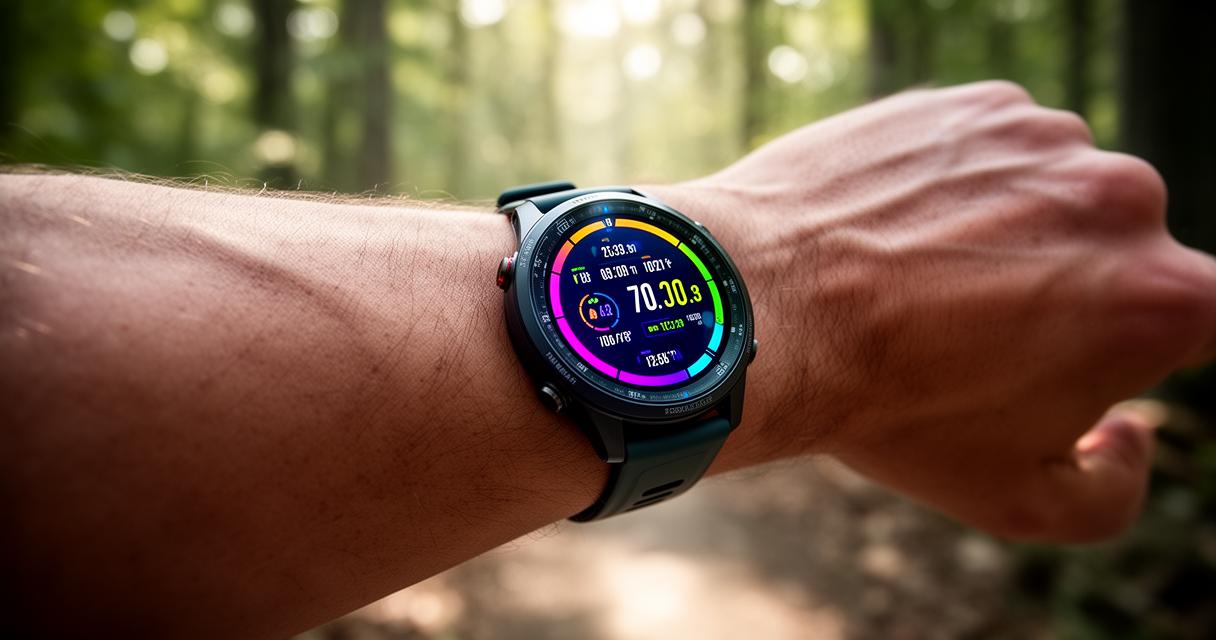
When selecting a sports watch, the type of display technology can significantly influence your overall experience, from readability during outdoor runs to battery longevity over extended training sessions. Two dominant screen technologies have emerged in the wearable market: AMOLED and IPS. Each offers distinct advantages and trade-offs that can shape how effectively you monitor health metrics, receive notifications, and manage daily communications. Understanding these differences is essential for making an informed choice that aligns with your lifestyle and fitness goals.
Understanding AMOLED and IPS Display Technologies for Sports Watches
Core technical differences between amoled and ips screens
AMOLED, or Active Matrix Organic Light Emitting Diode, screens generate light directly from organic compounds within each pixel. This means that individual pixels can be turned off completely to produce true blacks, resulting in vibrant colours and superior contrast ratios. The self-emissive nature of AMOLED technology enables displays to be exceptionally thin and flexible, which is particularly advantageous for smartwatches where space and design are critical. In contrast, IPS, or In-Plane Switching, is a type of LCD technology that relies on a backlight to illuminate liquid crystal layers. This constant backlighting ensures consistent brightness across the entire screen and typically offers wider viewing angles and more accurate colour reproduction under various lighting conditions. However, because the backlight remains active even when displaying dark content, IPS panels cannot achieve the deep blacks that AMOLED screens deliver.
The choice between these technologies often comes down to visual preference and intended use. AMOLED displays are celebrated for their punchy, saturated colours and their ability to render dark interfaces with minimal power draw. This makes them ideal for users who prioritise aesthetic appeal and immersive visuals during workouts or casual browsing. On the other hand, IPS screens tend to provide better visibility in bright sunlight due to their consistent backlighting, which can be a decisive factor for athletes who train outdoors. The colour accuracy of IPS technology also appeals to those who require precise readings and prefer a more natural representation of health data and notifications. Both technologies have evolved considerably, yet each retains distinct characteristics that cater to different user needs and preferences.
How screen technology affects battery life and performance
Battery consumption is a critical consideration for any sports watch, as frequent charging can interrupt training routines and daily activities. AMOLED screens have a notable advantage when displaying dark or black content, as the pixels responsible for those areas are effectively switched off. This selective illumination can lead to substantial power savings, particularly when using watch faces or applications with predominantly dark themes. However, when displaying bright or white content, AMOLED screens can consume more power than their IPS counterparts, as each active pixel emits its own light. This variability means that the overall battery performance of an AMOLED display is heavily influenced by the user interface design and the types of applications most frequently accessed.
IPS displays, in contrast, maintain a steady power draw regardless of the content shown, as the backlight remains constantly active. This consistency can be beneficial for users who prefer predictable battery life and do not wish to adjust their usage habits to optimise power consumption. In practice, many sports watches with IPS screens are designed with efficient backlighting systems that balance brightness and energy use, ensuring that athletes can rely on their device throughout the day without frequent recharging. Performance considerations extend beyond mere battery life; screen responsiveness, refresh rates, and touch sensitivity all contribute to the overall user experience. While AMOLED panels are often associated with faster refresh rates and more fluid animations, advancements in IPS technology have narrowed this gap, offering smooth and responsive interactions that meet the demands of active users.
Screen Quality Impact on Health Monitoring and Communication Features
Visibility and Accuracy for Cardiac Rhythm and Sleep Measurement
Accurate health monitoring is a cornerstone of modern sports watches, and screen quality plays a subtle yet significant role in how data is presented and interpreted. Displays must render graphs, metrics, and trends with clarity, ensuring that users can quickly assess their cardiac rhythm, sleep patterns, and other vital statistics. AMOLED screens, with their high contrast ratios and vivid colours, can make charts and data visualisations stand out sharply against dark backgrounds. This enhanced visibility can be particularly useful during low-light conditions, such as early morning runs or late-night reviews of sleep data, where glancing at the watch without activating additional lighting is preferable.
IPS screens, renowned for their colour accuracy and consistent brightness, provide a reliable canvas for detailed health information. The ability to view data from various angles without colour distortion ensures that athletes can check their metrics mid-workout without needing to adjust their wrist position. This can be especially important when monitoring real-time heart rate fluctuations or tracking progress across multiple sessions. Moreover, the natural colour reproduction of IPS technology can help users differentiate between various data sets and thresholds, such as distinguishing between resting, active, and recovery heart rate zones. While both technologies are capable of delivering precise health data, the choice may come down to personal preference regarding colour saturation and viewing comfort during extended use.
Notification clarity and call communication performance
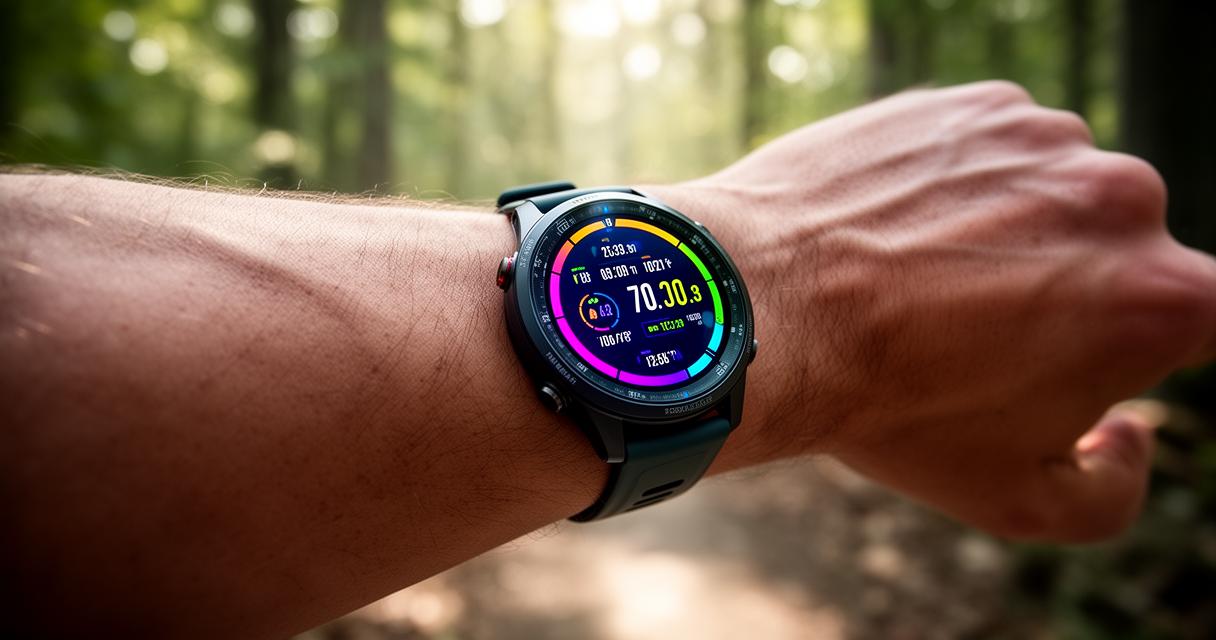
Sports watches have evolved into comprehensive communication hubs, offering notifications for messages, calls, and app alerts. The legibility of these notifications, especially in dynamic or outdoor environments, is crucial for maintaining connectivity without disrupting training. AMOLED displays excel in rendering text with sharp contrast, making notifications pop against dark backgrounds. This can enhance readability when glancing quickly at the watch during a run or cycle, reducing the time needed to process incoming information. The vibrant colours of AMOLED screens also allow for more visually engaging notification designs, which some users find more intuitive and easier to interpret at a glance.
IPS screens, with their consistent backlighting, ensure that notifications remain visible even in direct sunlight, where AMOLED displays might struggle with reflections or reduced brightness. This outdoor visibility advantage is significant for athletes who train in varied lighting conditions and need to stay informed without pausing their activity. Additionally, when engaging in call communication via Bluetooth connectivity, a clear and responsive display is essential for managing call controls, viewing caller information, and accessing quick responses. Both screen technologies support these functions effectively, yet the superior sunlight legibility of IPS panels can give them an edge for users who prioritise outdoor performance. Ultimately, the clarity and performance of notifications and call features are influenced not only by screen type but also by the software optimisation and interface design implemented by brands such as Apple, Garmin, and Xiaomi.
Choosing the Right Display Technology: Apple, Garmin and Xiaomi Compared
Screen size considerations and bluetooth connectivity across brands
Screen size is a vital factor that intersects with display technology to determine the overall usability and comfort of a sports watch. Apple has consistently offered devices with generous display real estate, leveraging AMOLED technology to deliver bright, high-resolution visuals that enhance both health monitoring and communication features. The larger screens on Apple watches provide ample space for detailed data displays and intuitive touch interactions, making them suitable for users who value a premium, feature-rich experience. Garmin, traditionally known for its outdoor and multisport watches, has embraced both AMOLED and IPS technologies across its product lines. Garmin often opts for IPS displays in models designed for extended outdoor use, prioritising sunlight visibility and battery efficiency over the deep blacks of AMOLED. This approach appeals to serious athletes and adventurers who require robust performance in challenging environments.
Xiaomi and its sub-brand Redmi have made significant inroads into the wearable market by offering competitively priced sports watches with diverse screen options. Many Xiaomi models feature AMOLED panels, delivering vibrant visuals and sleek designs that attract fashion-conscious users and fitness enthusiasts alike. The integration of Bluetooth connectivity across all these brands ensures seamless pairing with smartphones, enabling real-time data synchronisation, notification delivery, and call management. When considering screen size, it is important to account for wrist dimensions and personal comfort, as larger displays may be cumbersome for individuals with smaller wrists, while compact screens might limit readability for those requiring detailed data at a glance. Balancing screen size with display technology and connectivity features is essential for finding a watch that fits comfortably and functions effectively throughout daily activities and workouts.
Balancing price, frequency and overall tech specifications
Price is often the deciding factor when choosing between sports watches with different display technologies. Apple watches, renowned for their premium build quality and advanced features, typically command higher prices, reflecting the integration of cutting-edge AMOLED displays and comprehensive health monitoring capabilities. For users who prioritise ecosystem integration, seamless connectivity, and a polished user experience, the investment in an Apple watch may be justified despite the premium cost. Garmin occupies a mid-to-high price range, offering specialised models that cater to specific sports and outdoor activities. The brand's use of IPS technology in many of its watches allows for competitive pricing while maintaining excellent visibility and battery life, making Garmin an attractive option for dedicated athletes seeking reliability and performance without the luxury price tag.
Xiaomi and Redmi, on the other hand, have positioned themselves as accessible alternatives, delivering impressive features at more affordable price points. By incorporating AMOLED screens into budget-friendly models, Xiaomi has democratised access to high-quality displays, enabling a broader audience to enjoy vibrant visuals and modern smartwatch functionality. When evaluating overall tech specifications, frequency of updates, sensor accuracy, and software support should also be considered alongside screen technology and price. A watch with a superior display but limited software updates or inconsistent sensor performance may ultimately disappoint, whereas a device with a modest screen but robust health tracking and frequent feature enhancements can offer lasting value. Balancing these elements requires careful consideration of individual priorities, whether that be cutting-edge display quality, outdoor durability, or affordability combined with essential health monitoring features.